Lipase for Coconut Oil Processing and Specialty Fat Applications
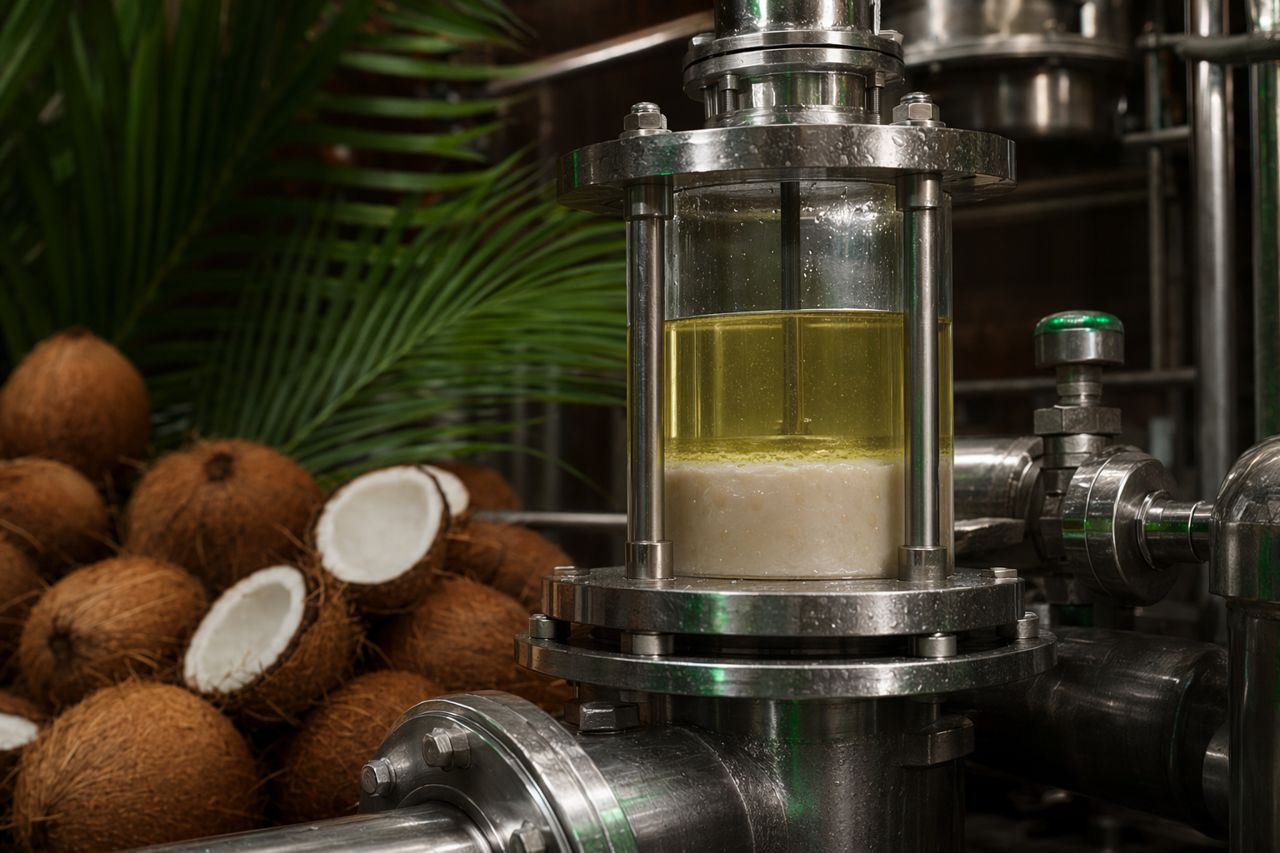
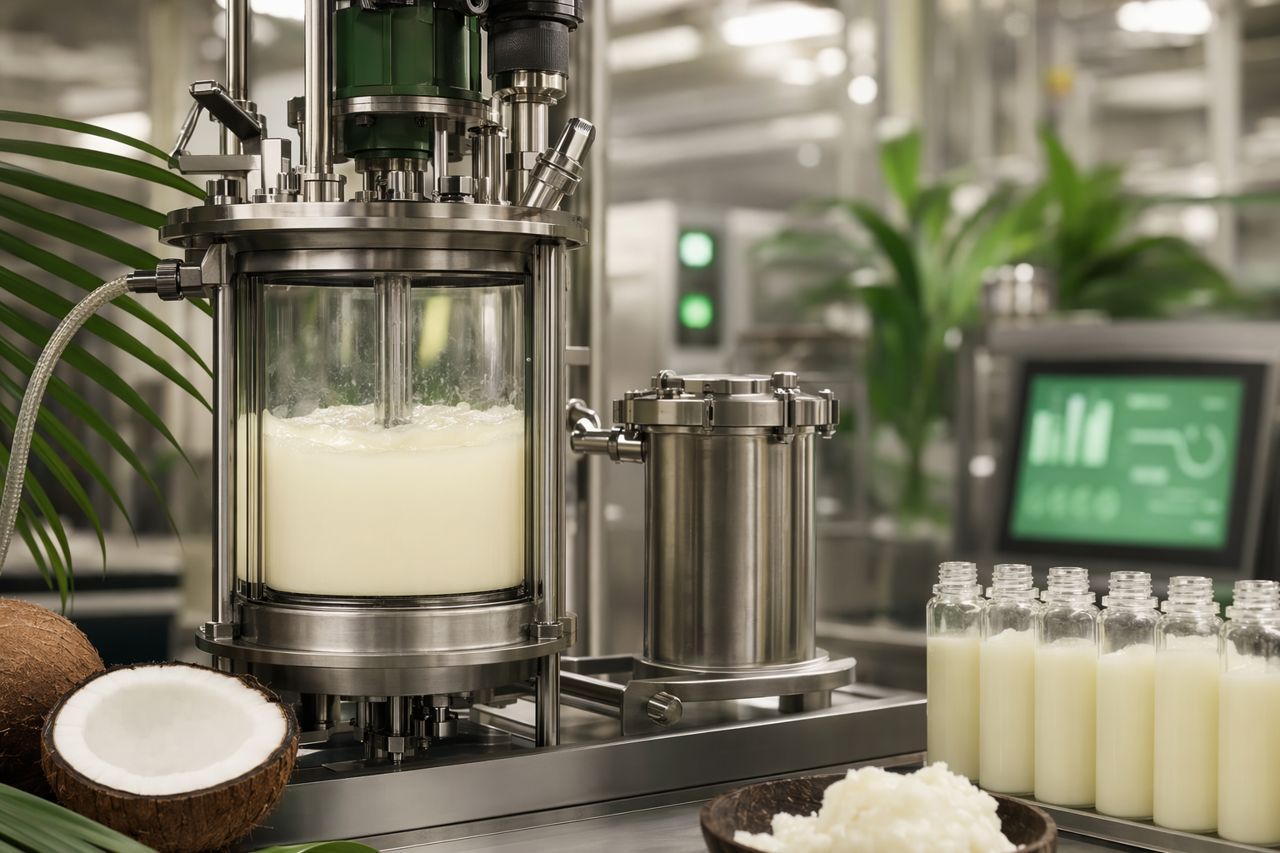
Enzymereach supports coconut processors that need controlled lipase performance for oil-processing trials, specialty coconut fat development, flavor systems, and process R&D. As an enzyme supplier for coconut processing, we focus on practical plant outcomes: repeatable batches, controlled oil modification, cleaner separation decisions, and trial support that fits industrial equipment.
Lipase is not a one-size additive. In coconut oil work, the enzyme choice, reaction environment, feedstock quality, moisture level, mixing profile, temperature window, and stop-point control all affect the final result. Enzymereach helps technical teams match lipase selection to the application before committing plant time.
Lipase and extraction enzymes are supplied wholesale only, for coconut oil processors, specialty fat and ingredient manufacturers, resellers and distributors, and biotech and formulation companies.
Request a quote for lipase options, trial guidance, and supply details: name the product, the quantity (trial lot and recurring volume) and the delivery destination. Every order is quoted individually.
Where Lipase Fits in Coconut Oil Processing
Coconut oil is rich in medium-chain triglycerides, giving it a distinct melting profile, oxidative behavior, and sensory identity. Lipase can be used when processors need controlled transformation rather than simple extraction support.
Common evaluation areas include:
- Specialty fat development for tailored melting, mouthfeel, spreadability, or confectionery behavior
- Structured lipid R&D where fatty acid positioning and process control matter
- Flavor precursor development for coconut-based ingredients and savory or creamy profiles
- Controlled hydrolysis trials for fatty acid release under defined process conditions
- Esterification or interesterification studies for targeted lipid functionality
- Process comparison trials against chemical modification routes where milder conditions are preferred
Enzymereach works with production, R&D, and procurement teams to define the role of lipase before selection, sampling, and scale-up.
Before lipase: enzymes in the coconut oil extraction step
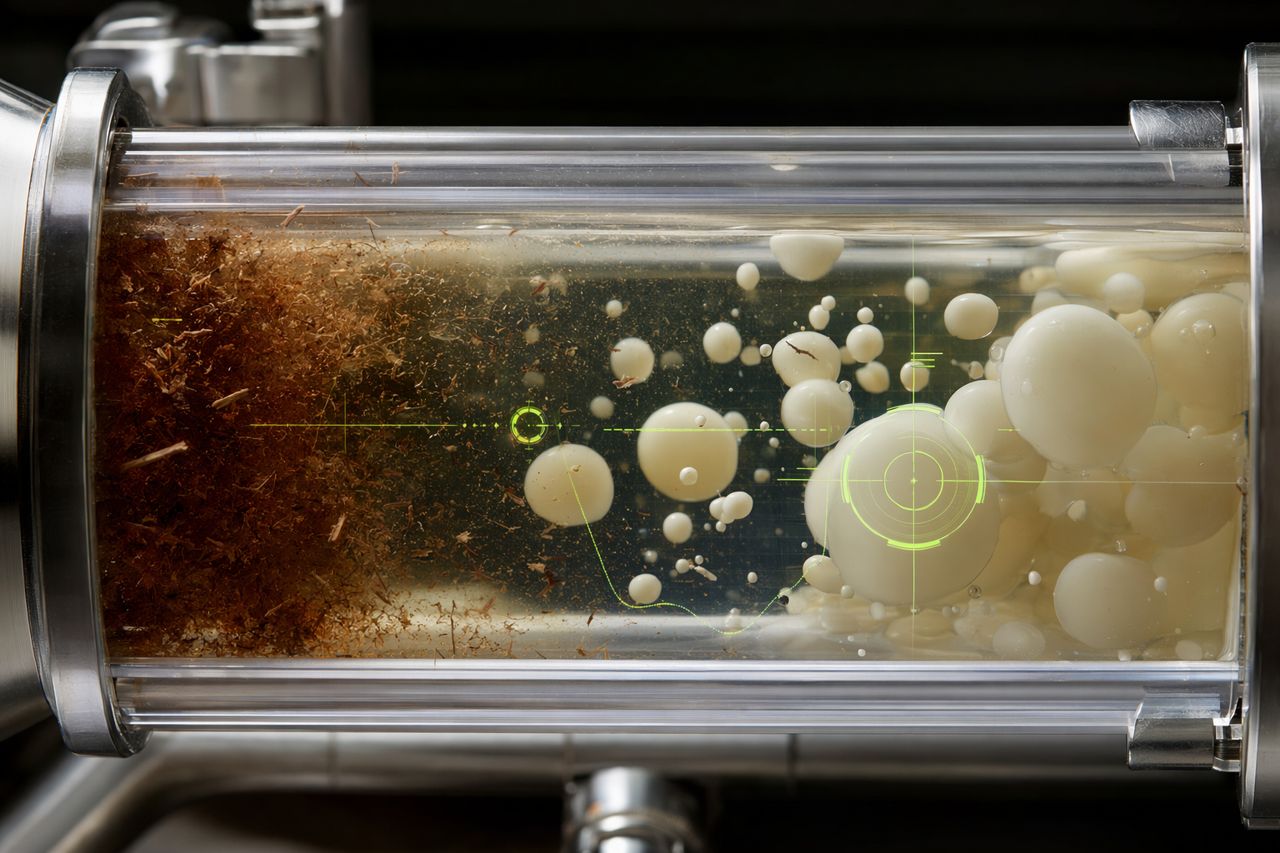
Oilseed processors running the wet, aqueous enzymatic extraction route on flaxseed describe three problems that coconut wet-process lines will recognise: extraction rates that stay low, heavy emulsification that holds oil back as loss, and long separation times that expose heat-sensitive components. The route they describe treats milled seed with a composite of cellulase, pectinase and protease in equal parts. Mechanical pre-treatment of the seed before the enzyme step, and separation in a strong centrifugal field afterwards, are used to cut separation time and shrink the emulsion layer.
The lesson for a buyer: the enzyme blend opens the matrix, but oil is only recovered if the separator can break the emulsion.
| Process step | Enzyme type discussed | What the buyer wants | What goes wrong |
|---|---|---|---|
| Wet extraction of kernel | Cellulase, pectinase and protease composite | More oil out of the milled kernel | Oil trapped in an emulsified layer and slow separation |
| Oil modification | Lipase | Melting, texture or flavor function | Over-hydrolysis gives sharp or soapy notes |
Troubleshooting checklist for enzyme-assisted coconut oil extraction
- Oil stays in a creamy middle layer after treatment: review separation force and temperature before raising the enzyme dose.
- Separation takes too long: look at milling and mechanical pre-treatment of the kernel before the enzyme step.
- Heat-sensitive quality drifts during long holds: shorten the separation stage, which the route above targets with stronger centrifugal separation.
Production Value for Coconut Oil Teams
More controlled product development
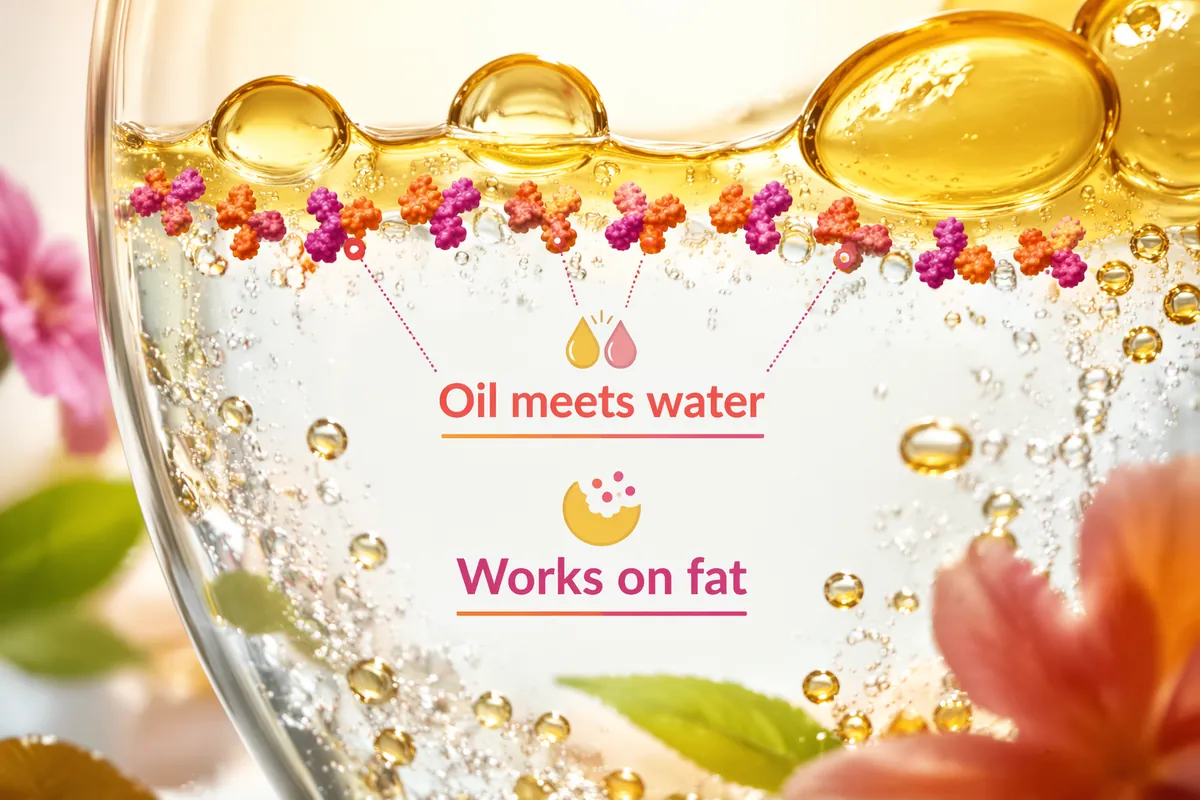
Lipase enables targeted oil modification when the goal is functionality, not random breakdown. With the right enzyme and operating window, teams can work toward defined product attributes such as texture, melting behavior, flavor impact, or downstream blend compatibility.
Better batch-to-batch consistency
Specialty coconut fat applications depend on repeatable reaction control. Enzymereach helps processors define practical checkpoints around feedstock condition, moisture management, contact time, mixing, and inactivation so pilot results can translate more cleanly into production planning.
Lower process burden than harsh modification routes
For some applications, enzymatic routes can support milder processing conditions and more selective outcomes. This can reduce unwanted side reactions, simplify product positioning, and give R&D teams a cleaner path to differentiated coconut fat systems.
Practical support for scale-up decisions
Industrial trials need more than a sample. They need a process view. Enzymereach supports application review, trial design, handling recommendations, and quote planning based on your feedstock, batch size, vessel design, filtration limits, and intended product specification.
Lipase Application Areas
Specialty coconut fats
Use lipase when your team is developing coconut-based fats for fillings, bakery creams, confectionery systems, plant-based dairy analogues, frozen desserts, spreads, or nutritional lipid blends. The focus is controlled functionality: melting, structure, smoothness, or compatibility with other oils.
Flavor and aroma systems
Controlled lipase action can release fatty acid fractions that contribute to creamy, buttery, tropical, or roasted coconut flavor profiles. The process must be controlled carefully because excessive hydrolysis can create sharp or soapy notes.
Medium-chain lipid R&D
Coconut oil is a key feedstock for medium-chain lipid development. Lipase may be evaluated for reactions where selectivity, substrate compatibility, and process temperature are important to the desired technical route.
Enzymatic oil modification trials
Processors comparing enzymatic and non-enzymatic routes can use lipase trials to assess yield behavior, by-product profile, process simplicity, and downstream refining requirements.
Process Variables That Matter
Lipase performance depends on the whole system. Enzymereach reviews these conditions before recommending a supply option:
- Coconut oil type: crude, refined, fractionated, virgin, or blend
- Free fatty acid level and moisture condition
- Desired reaction: hydrolysis, esterification, interesterification, or flavor development
- Batch or continuous process format
- Mixing intensity and contact efficiency
- Temperature range and hold-time target
- Need for immobilized or soluble enzyme format
- Filtration, separation, or deactivation strategy
- Product specification and regulatory target market
The goal is not simply to add enzyme. The goal is to create a controlled reaction that the plant can repeat.
Immobilized vs. Soluble Lipase Considerations
Immobilized lipase
Immobilized formats may be considered when the process benefits from enzyme recovery, packed-bed operation, repeated use, lower downstream carryover, or more controlled contact. They are often evaluated for specialty lipid synthesis and continuous or semi-continuous process concepts.
Soluble lipase
Soluble formats may be useful for certain hydrolysis or flavor-development trials where direct dispersion is acceptable and the downstream process can handle separation or inactivation. Selection depends on product target, cost model, and operating controls.
Enzymereach can help compare these routes from a production standpoint, not just a lab standpoint.
What Enzymereach Supplies
Enzymereach provides lipase options and technical coordination for coconut processors evaluating controlled oil modification. Our support can include:
- Application fit review before sample recommendation
- Lipase format selection based on process route
- Trial planning for pilot or plant validation
- Handling and storage guidance for production teams
- Scale-up discussion for batch or continuous concepts
- Commercial quote support for recurring supply
We keep the discussion focused on what matters in your plant: product target, throughput, control points, downstream load, and repeatable production economics.
Trial Planning Checklist
Before requesting a quote, it helps to define:
- Coconut oil feedstock type and current specification
- Desired finished product or functional target
- Reaction route being evaluated
- Batch size or pilot volume
- Vessel type, agitation, and temperature control
- Expected hold time and stop-point method
- Downstream refining, filtration, or separation steps
- Required documentation or market compliance needs
- Monthly or annual usage estimate if known
If you do not have all details yet, Enzymereach can still help you frame the trial.
Request a Quote
Ready to evaluate lipase for coconut oil processing, specialty fat development, or coconut-based flavor systems?
Use the inquiry form on this page and start with the product (lipase, or an extraction blend), the quantity (trial lot and expected monthly or annual volume) and the delivery destination. Then add your feedstock type, application goal, batch format, and target product behavior. Enzymereach will respond with suitable options, supply information, and next-step trial guidance. Pricing, pack format and lead time are quoted per order.